Well No. 3 Treatment Improvements

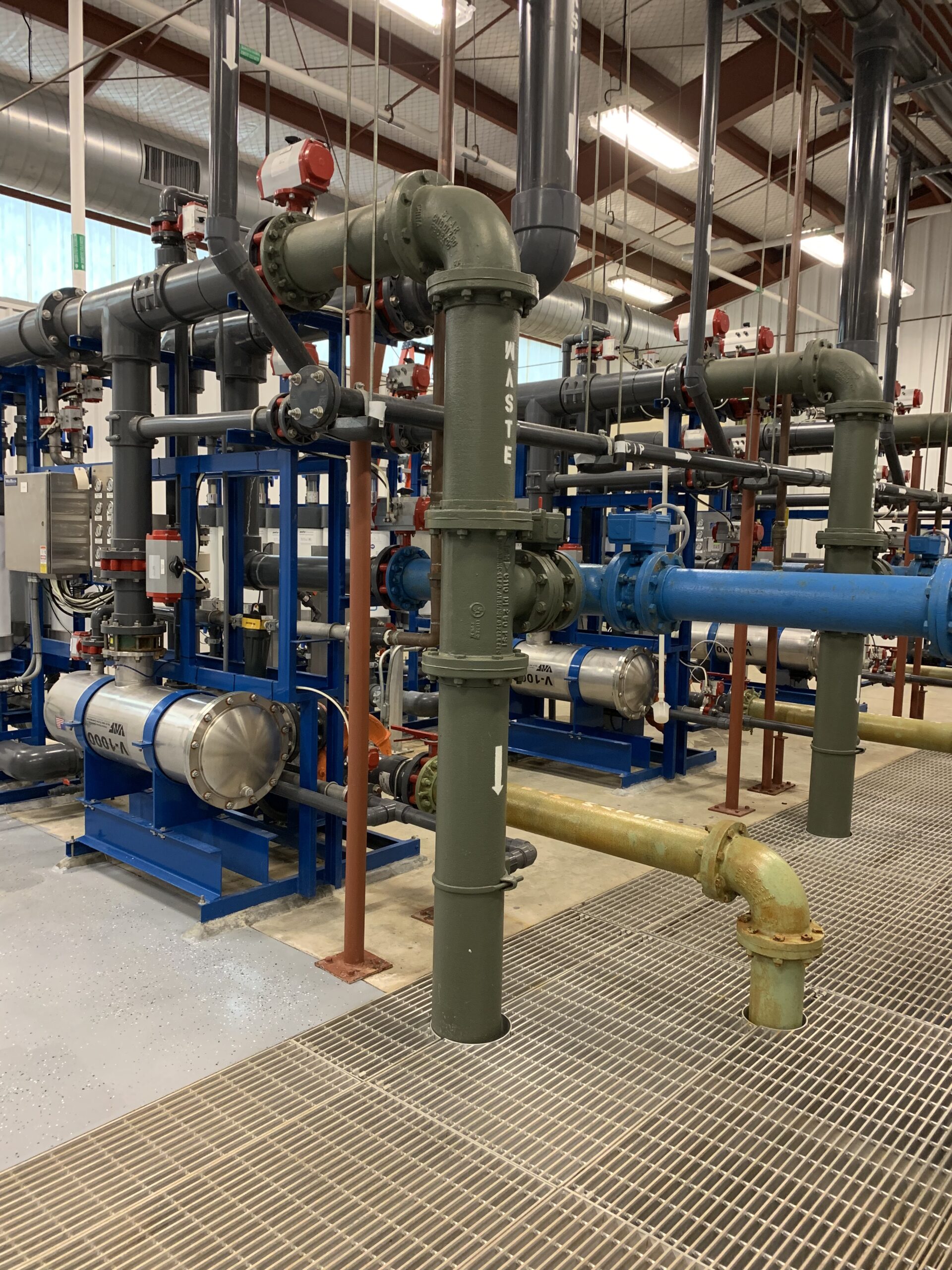
Krebs was contracted by the Alabaster Water Board to evaluate and design membrane filtration for 2.5 MGD capacity at the Well No. 3 Water Treatment Plant.  The well was deemed under the influence by ADEM based on solids.  The project consisted of issuing a request for proposal for membrane filtration, evaluating the proposal, and designing the improvements.  The project included a new administration/lab area, electrical room, chemical feed improvements, and filter building.      

Parking Lot addition at University Medical Center

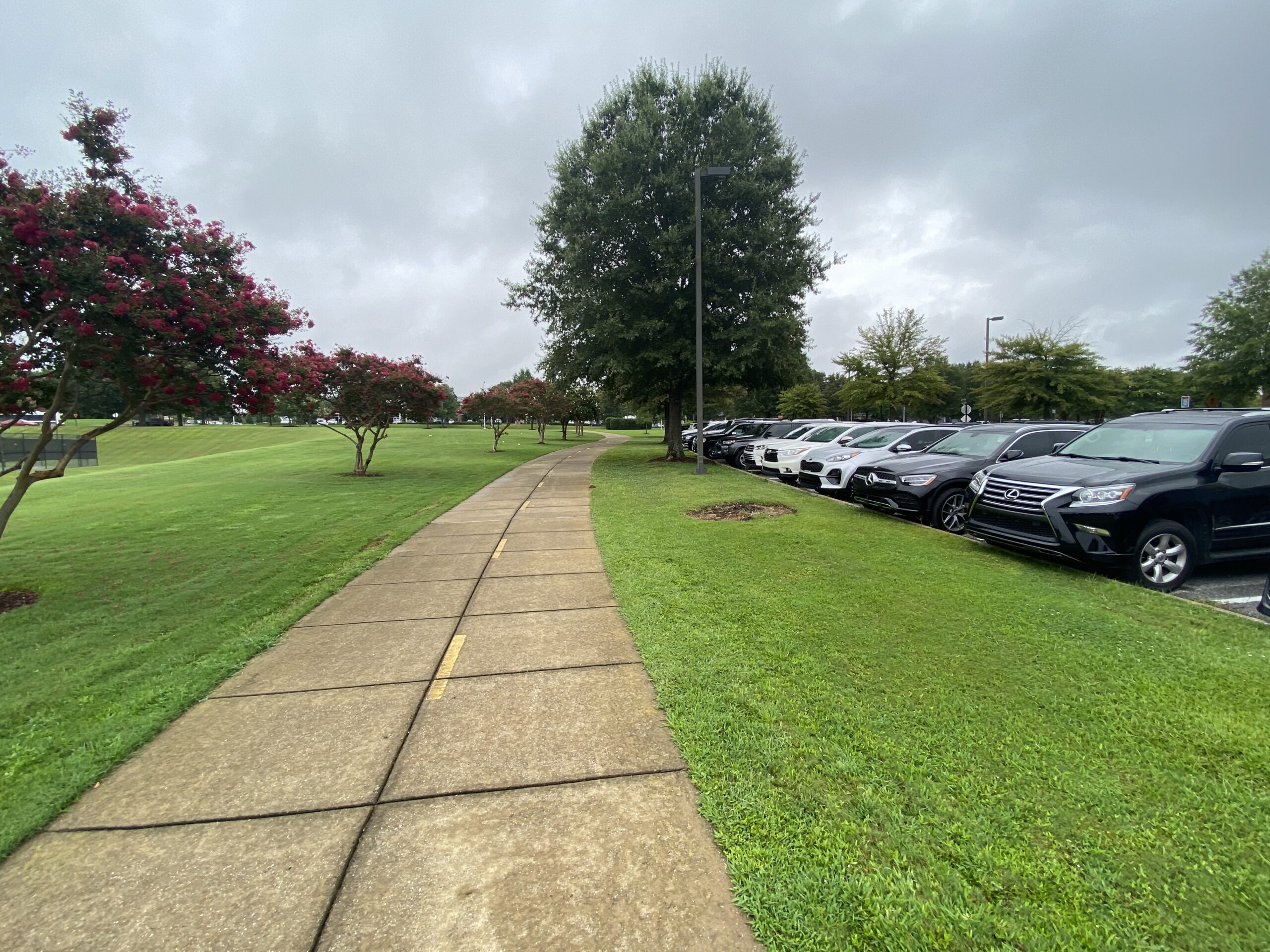
The University of Alabama engaged Krebs Engineering to design a parking lot addition for the University Medical Center. The project will double the size of an existing parking lot near the facility. This addition will include new parking opportunities for people who require ADA spaces and electrical vehicle spaces. The project includes an additon to the storm water infrastructure, re-routing of the concrete walkways, lighting, and landscaping. This project is the first Krebs Engineering, Inc. has undertaken with the University of Alabama. This project addresses the concerns of a growing University and considers the needs of a future academic facility.

Madison Utilities Hydraulic Water Model Master Plan

Krebs calibrated Madison Utilities’ hydraulic model in 2017. Due to the large amount of growth and abundant use of irrigation in the area, Krebs worked alongside Madison Utilities to understand and implement the varying hydraulic demand patterns into the model to have an accurate model calibration. Krebs used the calibrated WaterGEMS hydraulic model to identify system improvements needed to meet current and future demands within Madison Utilities’ service area and to identify system improvements needed to supply wholesale customers. The evaluation concluded an expansion of the water treatment plant and raw water transmission main was required to keep pace with the rapid growth. Large diameter transmission piping was also required to provide the system with the additional capacity added at the water treatment plant. The water treatment plant expansion is under construction and is expected to be completed in the spring of 2024.

Jefferson County Vertical Asset Management Program

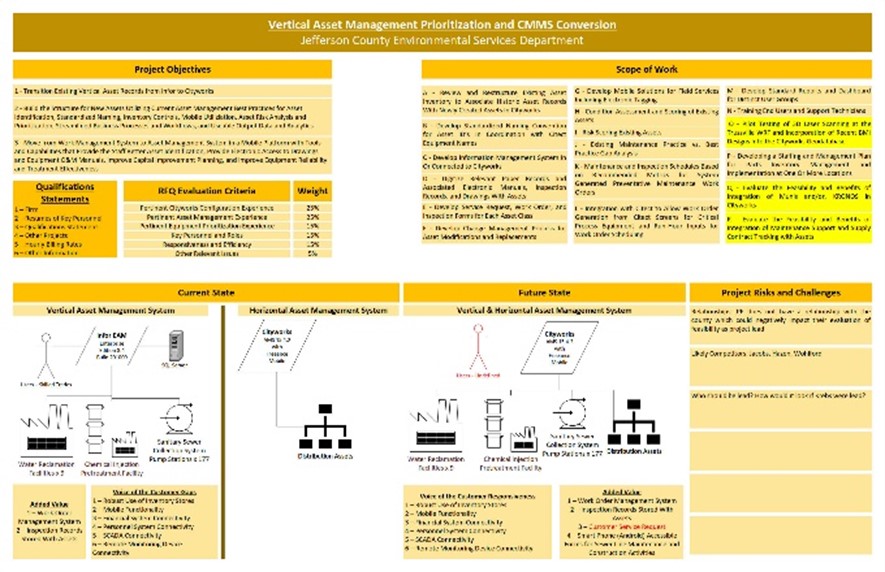
Jefferson County Environmental Services has contracted with Krebs Engineering to initiate their vertical asset management program. Krebs is part of the design team, which includes Power Engineers and Applied Engineering & Science. Krebs is responsible for the inventory of equipment at nine wastewater treatment plants and over 150 lift stations. Each piece of equipment will be identified by a unique inventory number and uploaded into the Citech SCADA system and the asset management program within Cityworks. Included in the inventory is a condition assessment, risk scoring, and gap analysis. This will be the basis of the managed maintenance system for all equipment assets. The risk scoring system identifies the probability of failure, consequence of failure, asset remaining life, failure history, and asset co-dependence. The gap analysis compares current maintenance practices versus best maintenance practices. The gap analysis takes into account current staffing levels and the ability to coordinate with third parties to aid in the completion of tasks. The evaluation is performed in coordination with operational personnel for team input into the ultimate scoring of each system.

Hydraulic Water Model Analysis

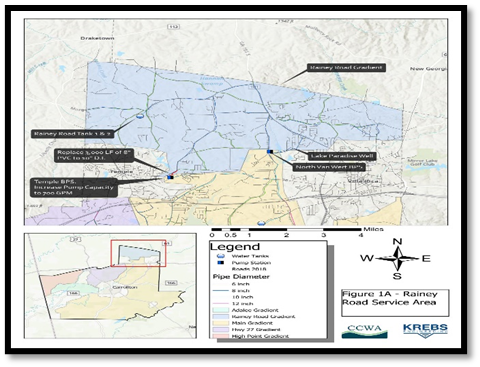
Krebs calibrated Carroll County Water Authority’s hydraulic model in 2018. In 2020, Krebs evaluated the Carroll County water system using the Krebs’ calibrated WaterGEMS distribution system hydraulic model. The evaluation identified a 10-year Capital Improvements Project for the distribution system. The Capital Improvements Project plan took into consideration system redundancy, fire protection, service pressure, water quality, and planning for system demand growth. The plan includes a three-year capital improvements project list to increase distribution system capacity as the Snake Creek Water Treatment Plant expansion project is under construction.


Krebs continues to use the hydraulic model to assist CCWA with various projects, including water supply, growth, booster pumping stations optimization, new water storage tanks, and water storage tank rehabilitations.

Tuskeegee WWTP and Sanitary Sewerage Improvements

Tuskegee’s South Basin Wastewater Transfer project included consolidating wastewater treatment facilities to eliminate discharge permit violations and to meet consent order requirements imposed by the Alabama Department of Environmental Management (ADEM). This was achieved by expanding the North WWTP, constructing ten miles of new 12-inch diameter force main, constructing two new intermediate lift stations, installing new pumps and controls at a lift station, converting the existing South WWTP finishing pond to a wet weather storage facility, converting the South WWP influent pumping station to a transfer pumping station, and abandoning treatment facilities at the South WWTP. Tuskeegee and Krebs managed three separate construction projects simultaneously to complete the work on schedule and within the budget.

Swan Creek Trunk Sewer Phase 2

Following the success of the Swan Creek Trunk Sewer Improvements – Phase 1 project, the City of Athens engaged Krebs to design the Phase 2 portion of the gravity sewer improvements. As part of the design, Krebs performed a capacity analysis on the Swan Creek Basin and recommended the new trunk sewer be sized as a 36-inch diameter to accommodate current and future flows. As the industry was experiencing a resin shortage, the lead time and costs of PVC pipe were significantly impacted. Krebs recommended bidding PVC pipe as the base bid with fiberglass reinforced polymer mortar pipe (FRP) and triple wall polypropylene pipe (PP) as two alternate bid items. The FRP pipe was selected, saving approximately $200,000 and months of pipe material delivery time for the City of Athens.


The project included approximately 3,000 linear feet of 36-inch diameter FRP gravity sewer, including five connections to the existing gravity sewer. In addition, one 18-inch gravity sewer point repair, one 15-inch gravity sewer point repair, one 12-inch gravity sewer point repair, and two 48-inch diameter manhole replacements were included in the project. Since the project’s completion, flow monitoring data has indicated infiltration and inflow have been considerably reduced in this basin.

Shenandoah Wastewater Treatment Facility Improvements

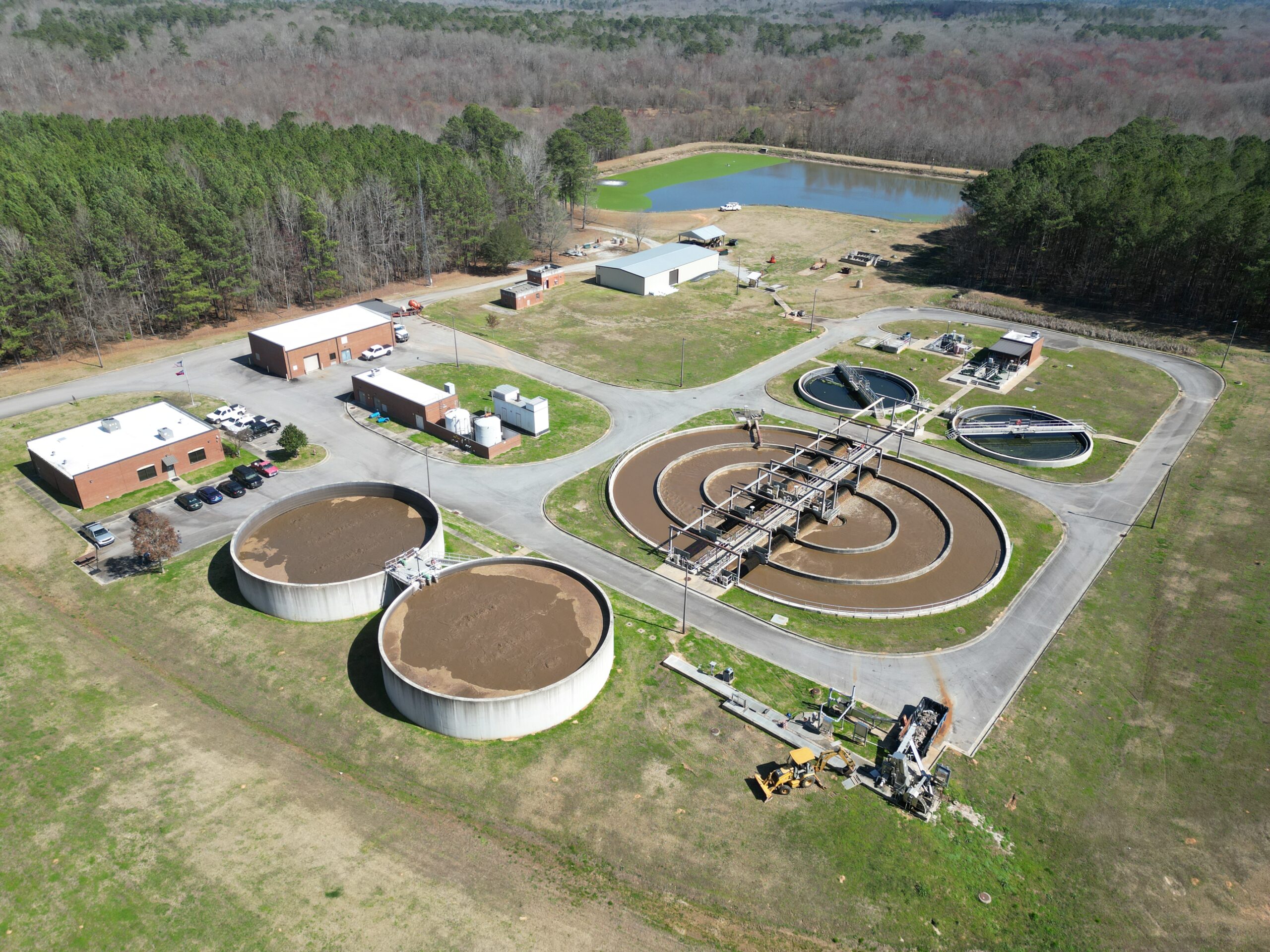
Krebs was engaged by Coweta County Water and Sewerage Authority (CCWSA) to design the upgrades and expansions of their Shenandoah Wastewater Treatment Facility (WWTF). The project increases treatment capacity from 2 MGD (average) to 6 MGD (average) and 12 MGD (peak). The improvements consist of new headworks with screening and grit removal systems, influent pumping, retrofitted existing aeration basin and new aeration basin with BNR treatment, blower building, final clarifiers, U.V. disinfection, tertiary filters, RAS/WAS pump station, solids dewatering and Class A biosolids drying facility, standby power generation, new power distribution, SCADA and instrumentation, and control improvements. The project construction is scheduled to begin in the summer of 2023.

The detailed design included careful consideration of project construction sequencing measures necessary to provide the existing wastewater treatment capacity of 2 MGD throughout project construction activities while retrofitting the existing WWTF. The existing project site of the Shenandoah WWTF is limited by property boundary constraints and therefore requires that the proposed project site plan reuse the existing structures onsite to minimize the expansion of the site’s footprint. These project boundary limitations required creative site planning while reusing and retrofitting the existing structures allowed for a reduced project footprint, resulting in construction cost savings.

During the design process, four major process equipment items were preselected for the improvements project, including U.V. disinfection equipment, biological nutrient removal system, solids dewatering equipment, and biosolids drying equipment. This preselection process included evaluating competitive equipment proposals to determine the most efficient alternative for each process.

Huntsville Brownsferry Road Regional Lift Station and Sanitary Sewer Development

As a long-time client, Athens Utilities engaged Krebs to design a new regional lift station to serve areas around the I-65 and Huntsville Brownsferry Road corridor. With the imminent sanitary sewer needs of fast-moving developments, Krebs worked to obtain ALDOT permits and easements and design a fully functional pump station capable of handling the future sanitary sewer demands. To keep pace with the rapidly growing commercial and residential sector, the pump station was built with the future in mind, incorporating features to provide additional capacity and the latest technologies to handle the changing needs of the area.


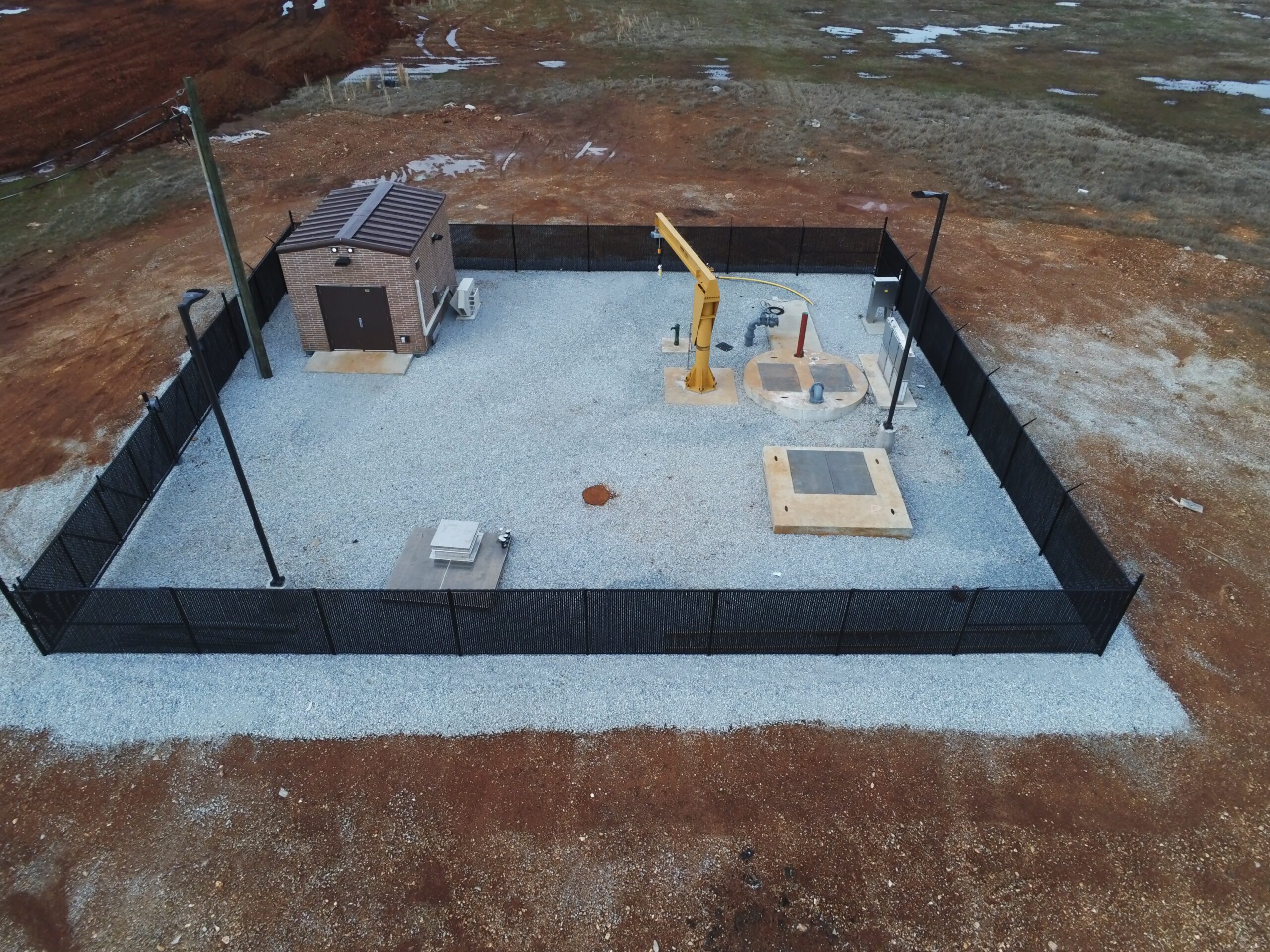
The project included approximately 5,750 linear feet of 12-inch diameter PVC gravity sewer, a 700 GPM sanitary sewerage lift station capable of pumping 1,100 GPM when necessary, 15,300 linear feet of 12″ HDPE force main, 9,400 linear feet of 24″ HDPE force main, two (2) tie-ins to existing force main piping, and a connection to the headworks of the Athens Wastewater Treatment Plant. The project also included a natural gas powered backup pump and odor control. The project’s timely completion is a testament to Krebs’ commitment to providing high-quality infrastructure that meets the needs of our clients, businesses, and residents alike.

Highway 227 Force Main

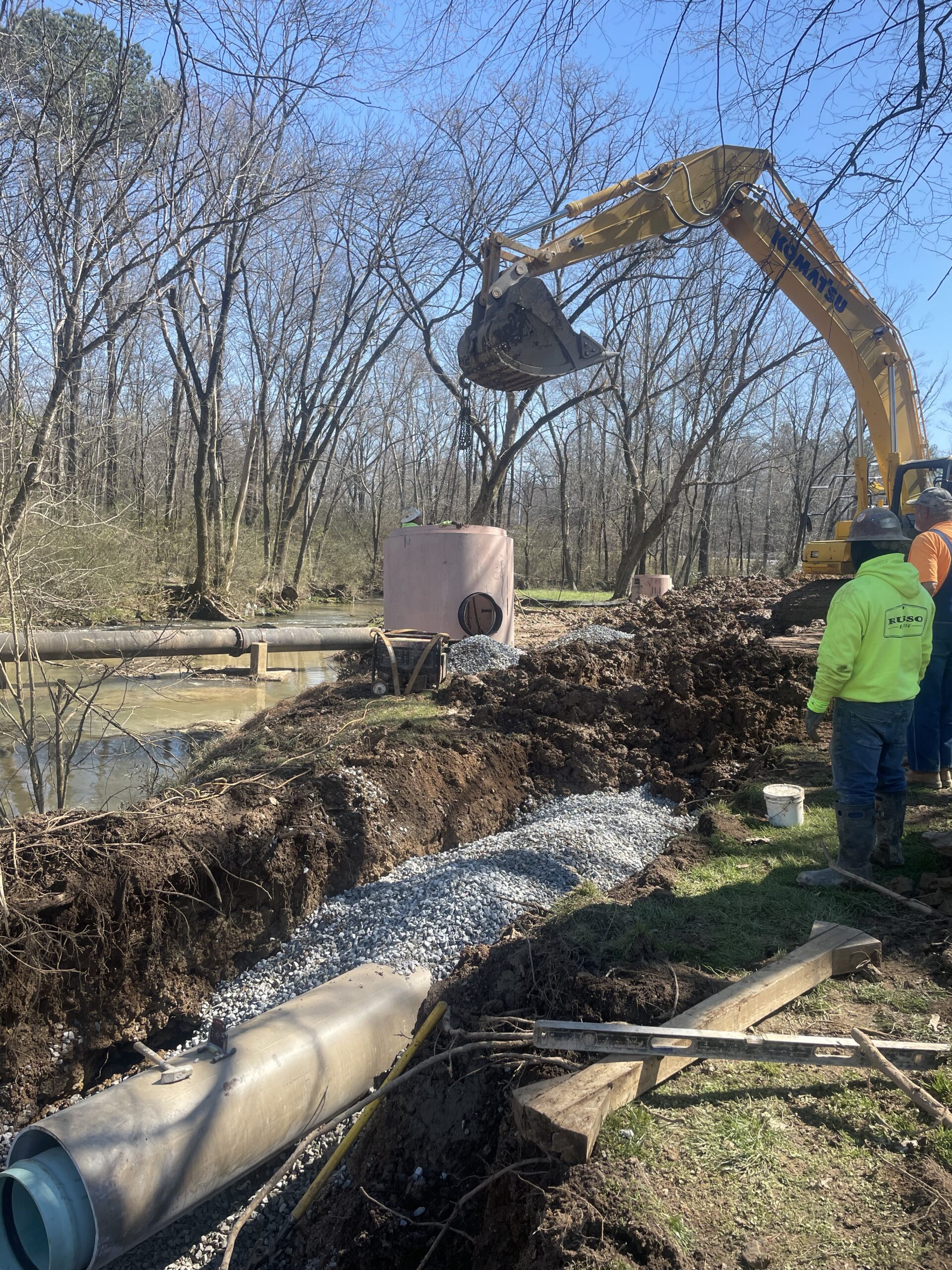
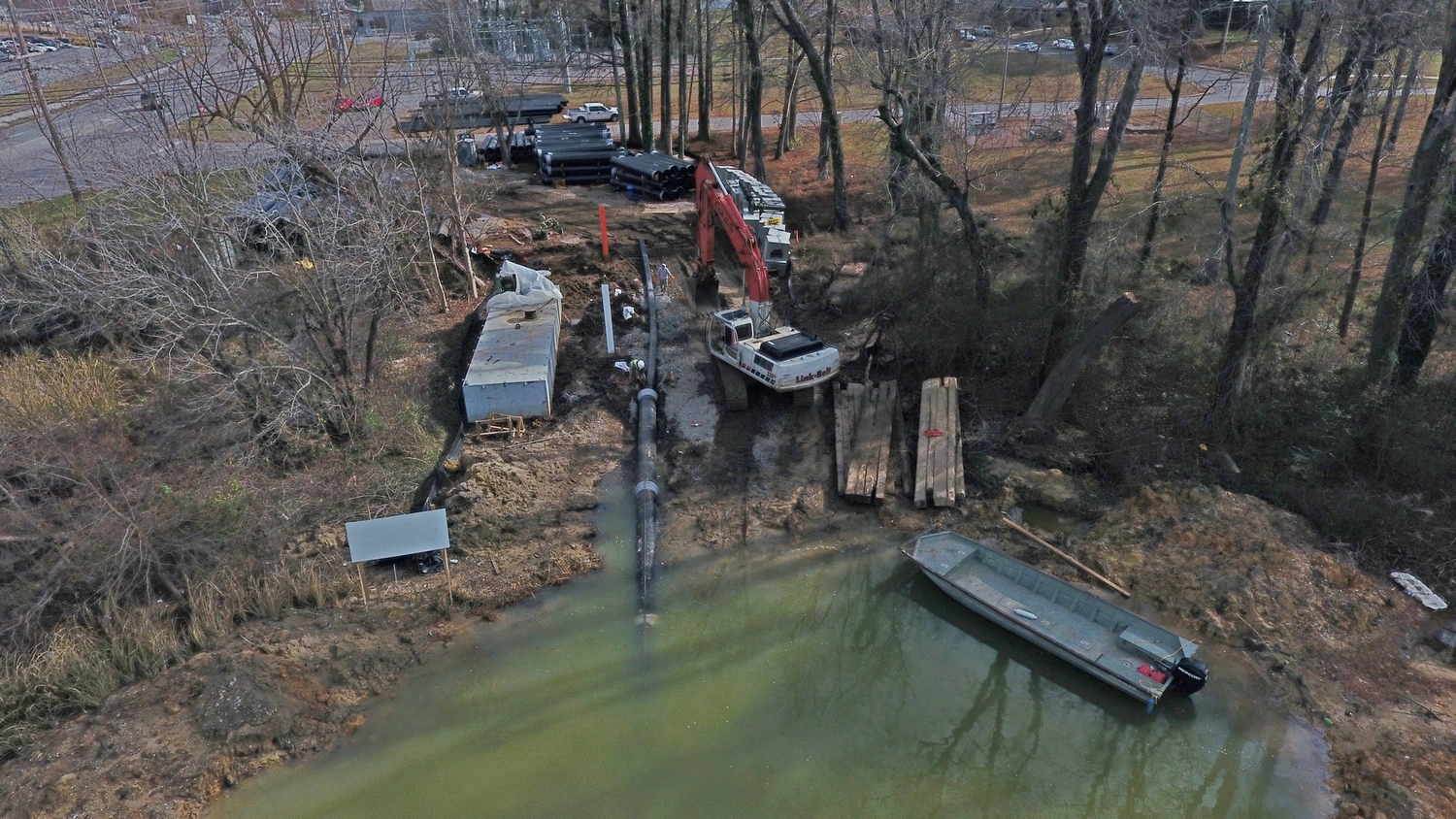
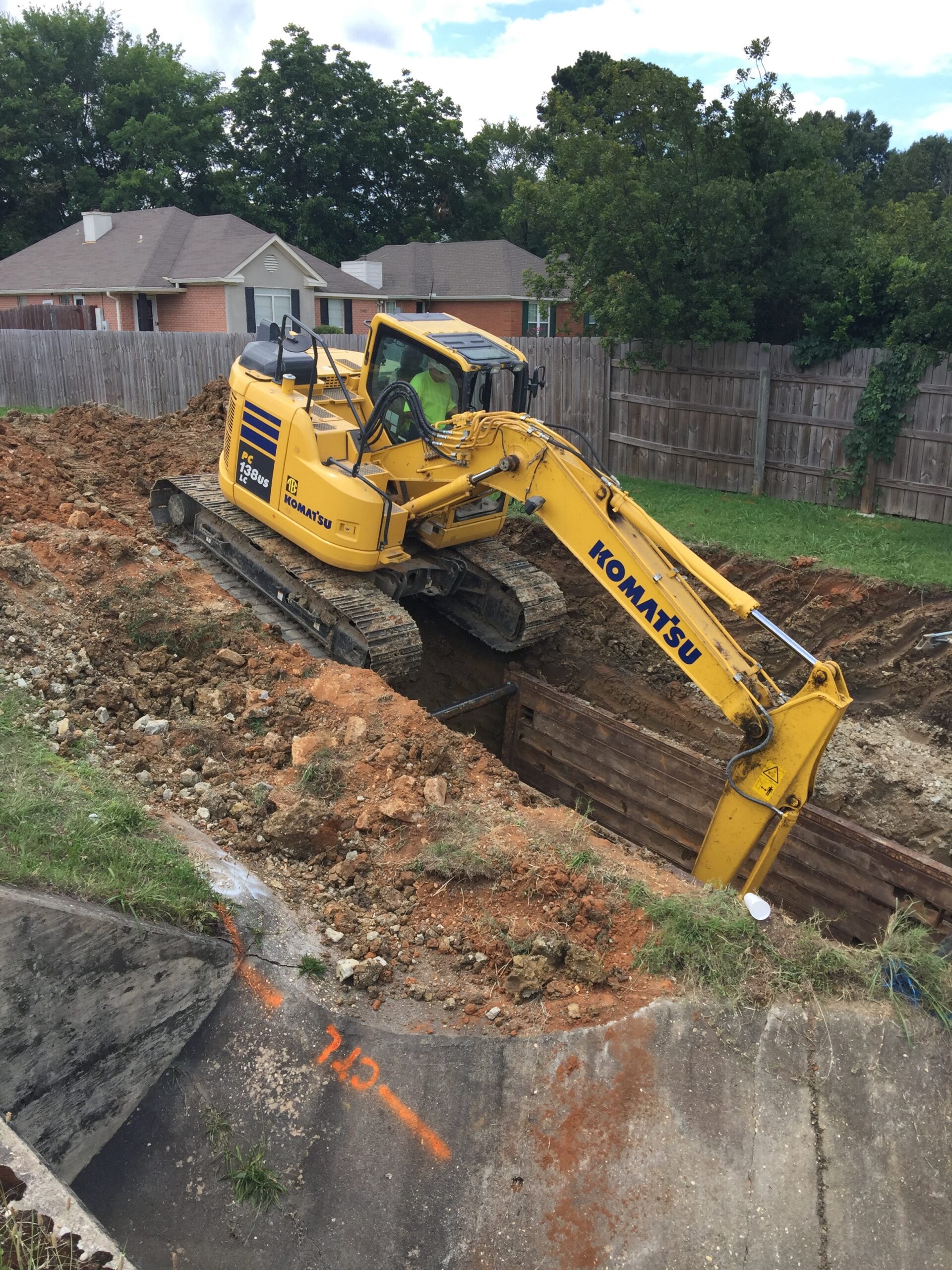
Guntersville Water and Sewer Board (GWSB) engaged Krebs Engineering to investigate the issues in its wastewater system, develop recommendations for improvements, and design and administer the construction of the necessary projects. Two of the recommended improvements included a new 24-inch diameter force main across Lake Guntersville and an expansion of the system’s largest lift station. Due to minimal space availability on the existing causeway, the new 24-inch diameter force main was routed across the levee that protects the town from Lake Guntersville and was designed to be installed in Lake Guntersville. This required 3,000 linear feet of restrained joint pipe to be installed by barges and sunk into a trench across the bottom of the lake. Additionally, the project required a bored encasement under ALDOT and CSX ROW. The result of the project increased station flow capacity from 4.5MGD to 12MGD, eliminating recurring wet weather sanitary sewer overflows (SSOs) in the project area and providing a redundant force main across the lake.

Swan Creek Trunk Sewer Cleaning and Lining

Krebs worked with Athens to deploy flow monitoring equipment and identify areas of high infiltration and inflow within the Swan Creek Basin. Krebs performed a capacity analysis of the Swan Creek trunk sewer and identified sewer infrastructure that was adequately sized but deteriorating with age. Krebs identified pipelines ideal for cured in place pipe (CIPP) lining. After field inspecting approximately 35 manholes and grading sewer segments from CCTV, Krebs assembled bid documents for a sanitary sewer rehabilitation project.

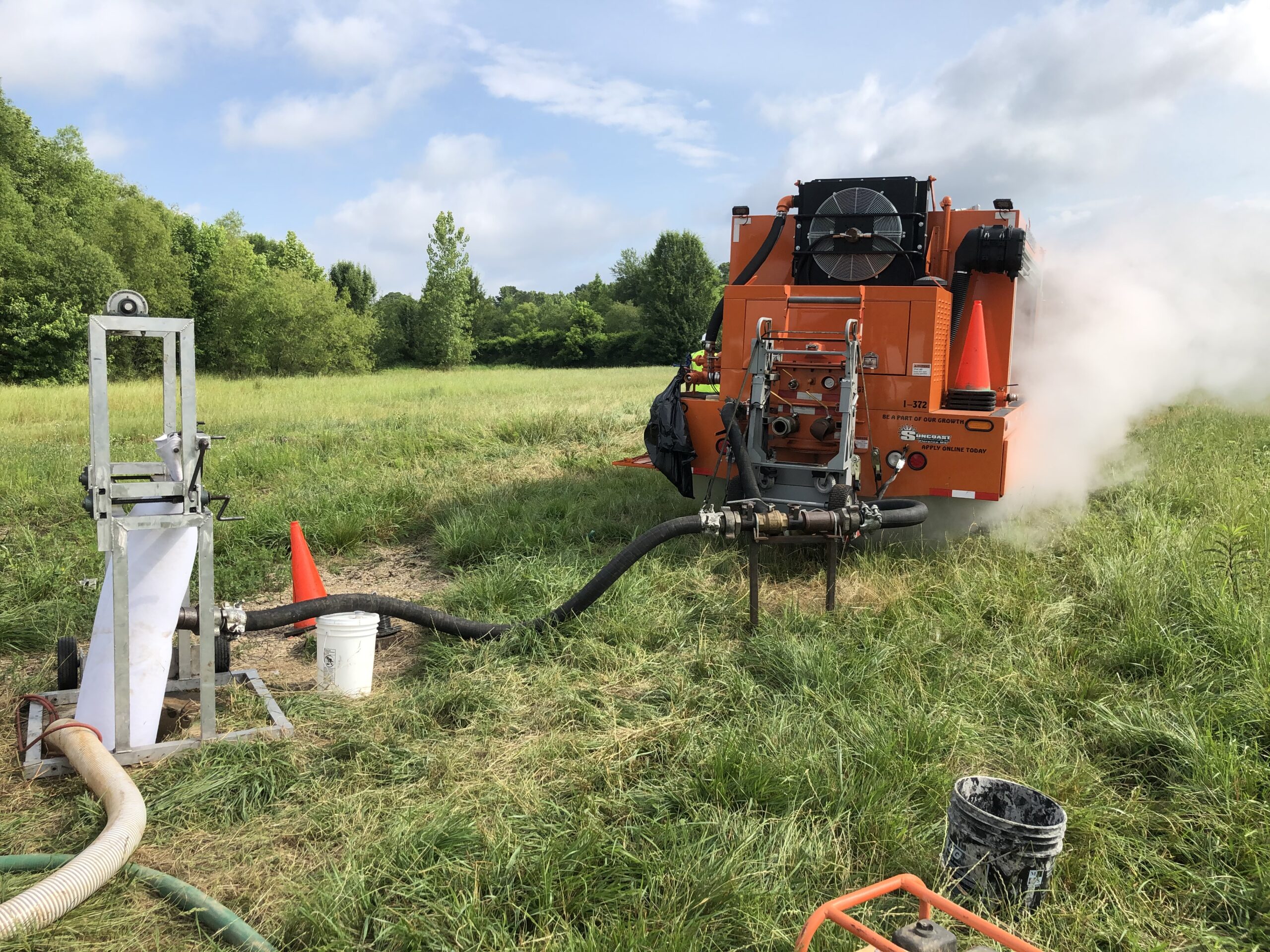
The project consisted of CIPP lining approximately 7,300 linear feet of 12” through 18” trunk sewer. In addition, manhole lining, cleanout installation, and lateral lining were included in the project. Krebs provide field inspection services for the construction phase. Upon the project’s completion, the flow monitoring results are indicating a reduction in infiltration and inflo, which is reducing the number of sanitary sewer overflows (SSO).

Slab Creek Wastewater Treatment Plant Improvements

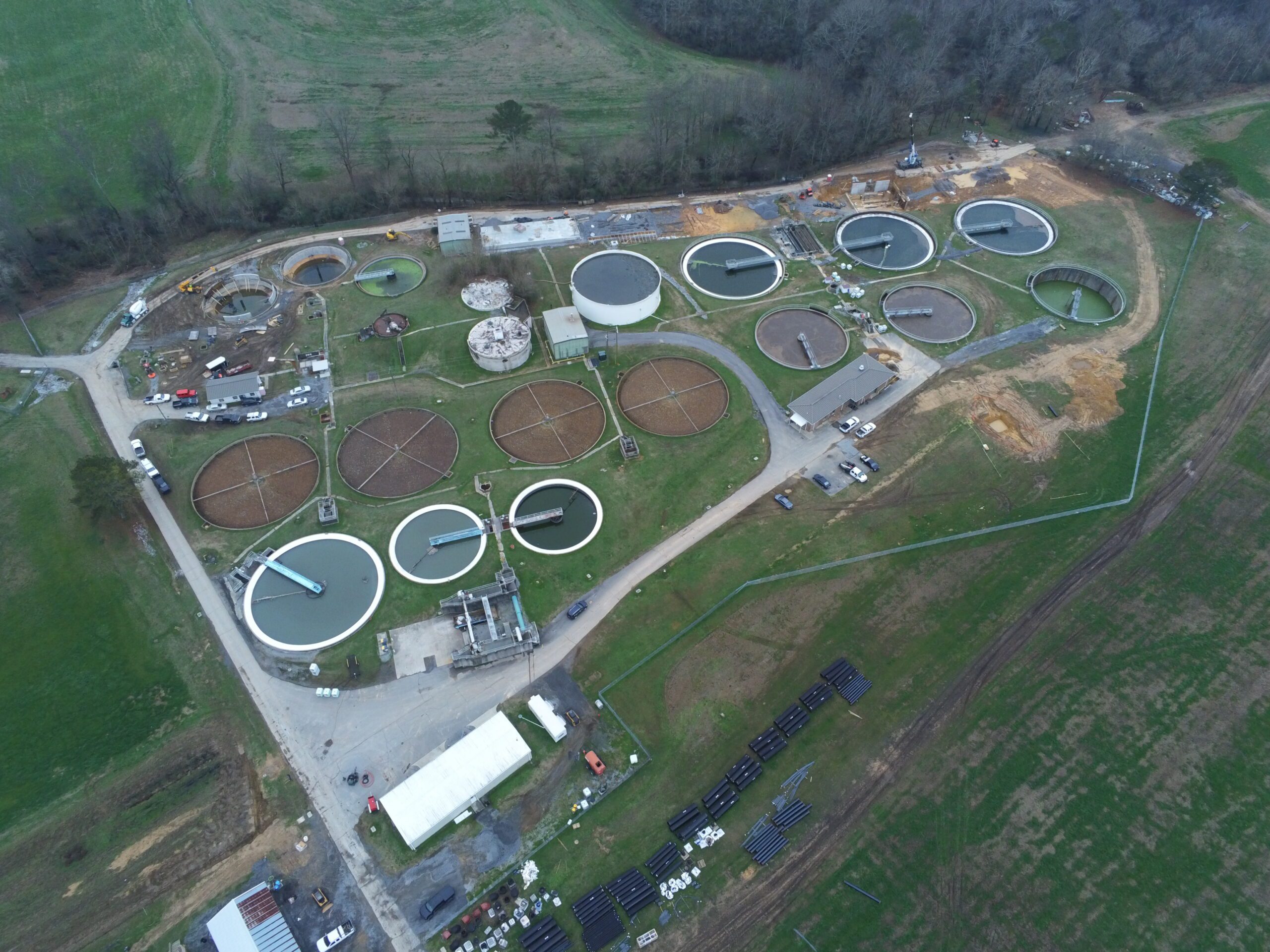
The Slab Creek WWTP Improvements project increases treatment capacity from 3 MGD (average) to 5 MGD (average) and 14 MGD (peak). The major improvements include a new headworks with screening and grit removal systems, retrofitting existing aeration basins with a new biological nutrient removal (BNR) treatment system, PAC and PAA chemical feed systems, PAA contact chamber, RAS/WAS pump station, conversion of existing intermediate clarifiers to aerobic digesters, and solids handling building with screw press equipment, plant water system, and dried sludge storage.


Five different sludge drying technologies were piloted during the design process. Once pilot testing was complete, requests for proposals (RFP) were solicited from sludge drying equipment manufacturers. Boaz was able to pre-select a new system based on a 15-year present-worth analysis of capital, operating, and maintenance costs.


Boaz also solicited proposals from aeration equipment suppliers for biological nutrient removal equipment to convert three existing aeration basins from standard aeration to a BNR treatment scheme. The proposals were also evaluated using a 15-year present-worth analysis and the BNR system was pre-selected.


A major design challenge was to maintain full treatment capability during construction. Two of the existing three aeration basins and final clarifiers were required to be in service at all times during construction. A construction sequence was developed to install the new headworks, RAS/WAS pump station, and associated yard piping in the first phase, then retrofit each of the aeration basins and clarifiers in series. Strategic piping connections and valve placement provide the ability to maintain flow through the existing treatment train (headworks and RAS/WAS pump station). Each set of retrofitted basins can be tested and placed into service with the new treatment train before moving to the next set of basins. The ability to run both new and existing treatment trains simultaneously minimizes the risk of downtime, troubleshooting during startup, and bypass pumping requirements. Construction is underway and is scheduled to complete in January 2024.
Biosolids Improvements for Energy Recovery

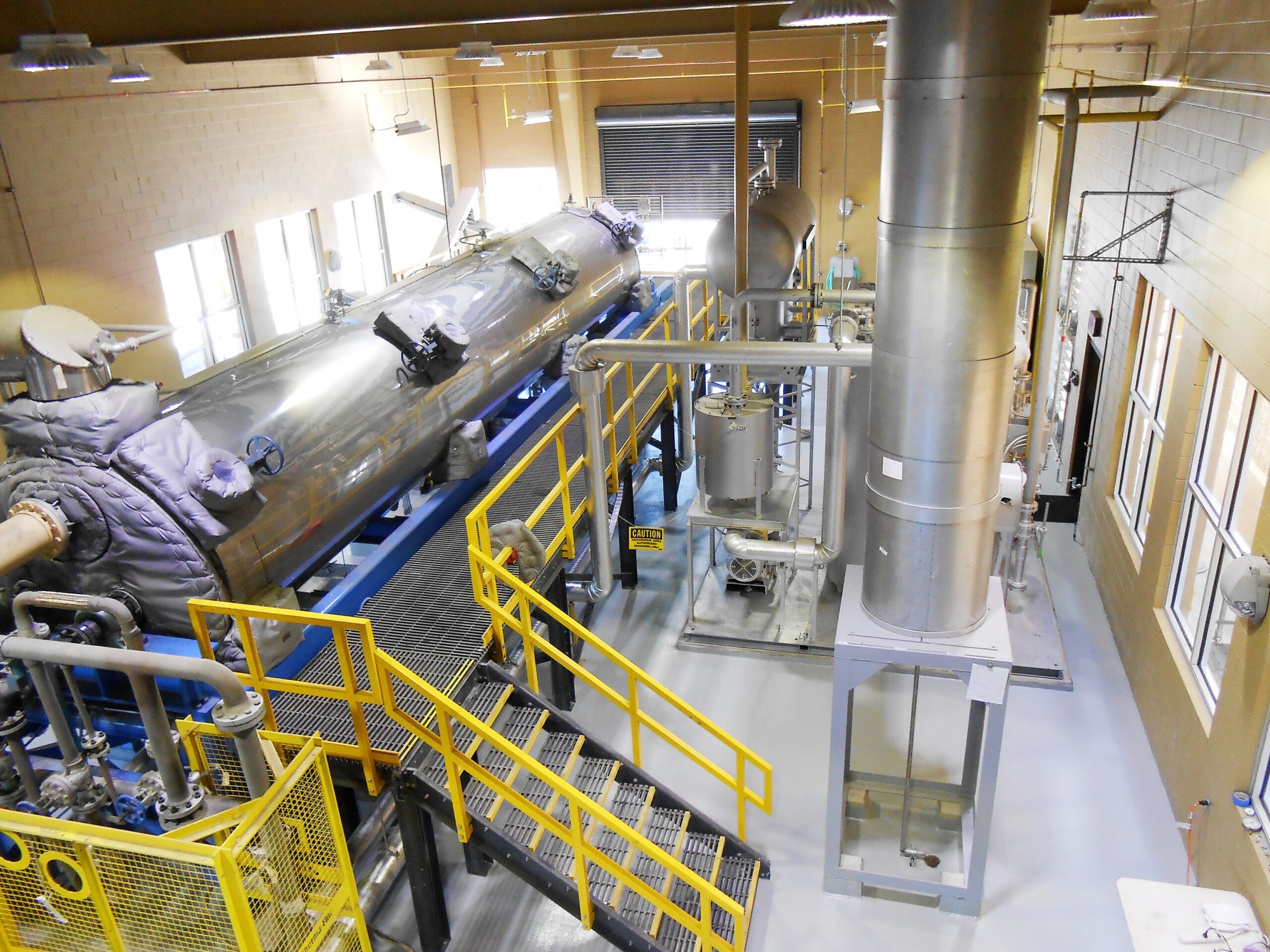
The Municipal Utilities Board of Albertville engaged Krebs Engineering to design the biosolids improvements for energy recovery. Class A biosolids are heated at higher temperatures to destroy pathogens, so they can be used in residential gardens, landscaping, and crop farms without restrictions on public access. The project consisted of a biosolids dryer, biogas compressor and storage tanks, digester mixing, grit removal system at the headworks. The new grit removal system reduces the amount of grit in the digestion process, thus increasing biogas production. The new digester mixing system improves solids dewatering, which reduces energy required to dry biosolids. The production of Class A biosolids enables Albertville to largely reduce its annual sludge hauling and disposal costs by reducing the volume of biosolids and by producing a renewable fertilizer/soil amendment that is sold to the public. TVA and ADEM awarded the project a $900,000 grant for energy efficiency.

Vaughn Road Water Main Improvements

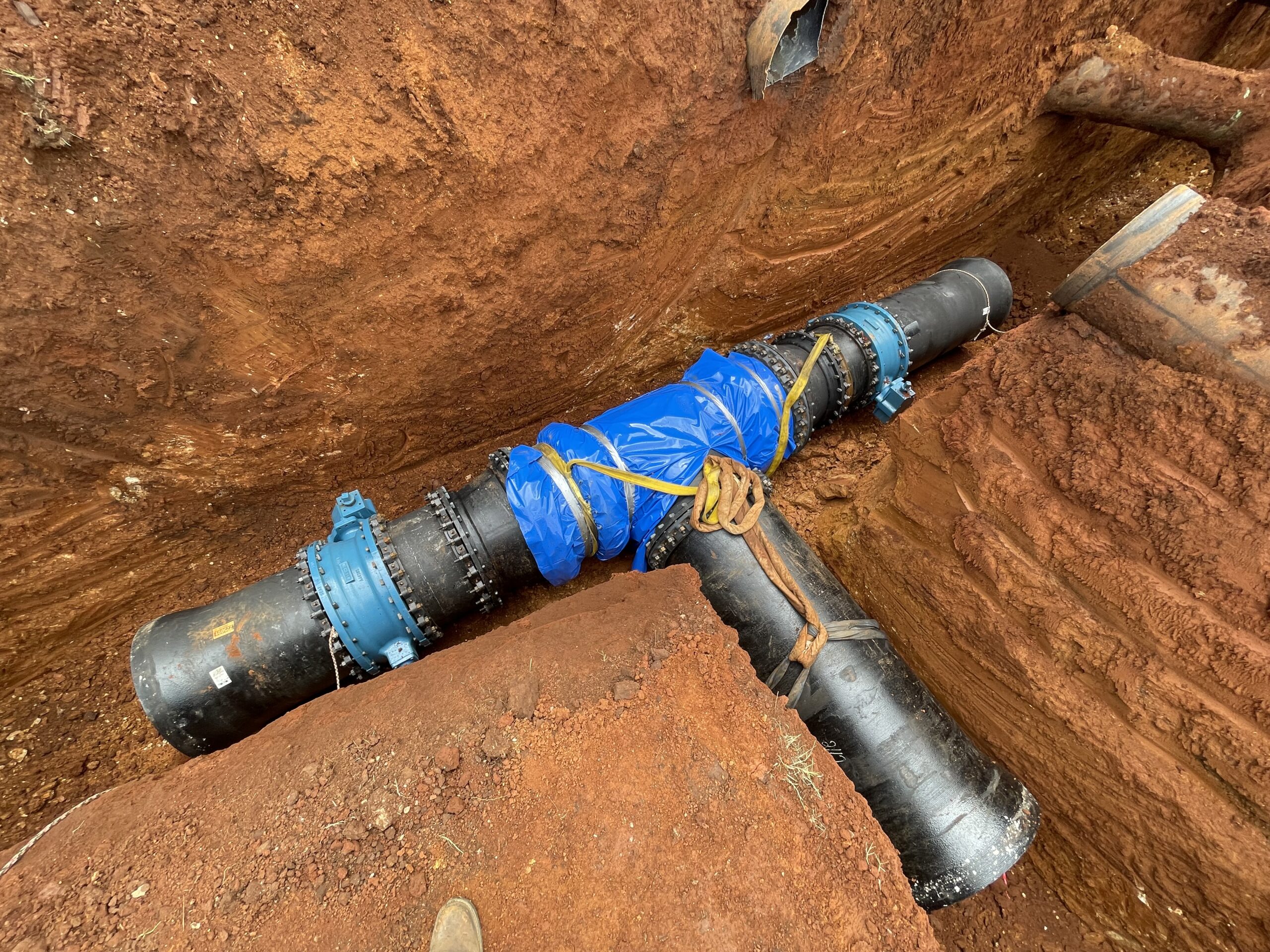
The Vaughn Road 24” Ductile Iron Water main was originally installed in the 1980s. The water main was primarily installed in a private easement that later developed into the backyards of a large subdivision. Over the years, the soils in this area of Montgomery have proven to be especially corrosive to Iron Pipe. After a decade of frequent main breaks and minor leaks, MWWSSB elected to replace the existing water main with PVC C900.


Prior to design, water modeling efforts determined that a 24” water main was no longer needed due to the expansion of the water system with looped connection and additional supply wells. Modeling efforts determined that a 16” water main was sufficient for the Board’s needs resulting in savings to the project.
The replacement water main was installed primarily in city ROW and behind the curb to facilitate future maintenance and reduce project costs. Installation required a lane shift for two months along the project length, which was necessary for the contractor to safely construct the project.


The project required seven water main connection transfers of 8” or larger piping and multiple smaller diameter service transfers. The project also required crossing two concrete lined storm ditches that flow year-round. These ditches were directionally drilled to minimize disturbance and reduce the project schedule.


Krebs provided construction administration services and maintained a resident field representative for the project, which was completed in two separately bid projects over the course of two years. The project was completed in 2020.

Snake Creek Water Treatment Plant Expansion

The Snake Creek Water Treatment Plant (WTP) was originally constructed in 1998 with a design capacity of 4 MDG.  Following a 2003 upgrade project, the WTP’s design capacity was increased to 6 MGD.  To keep up with the increasing water demands, Krebs was selected to begin design on a new expansion project that would increase the plant’s design capacity to 12 MGD with the ability to increase to 18 MGD in the future. 

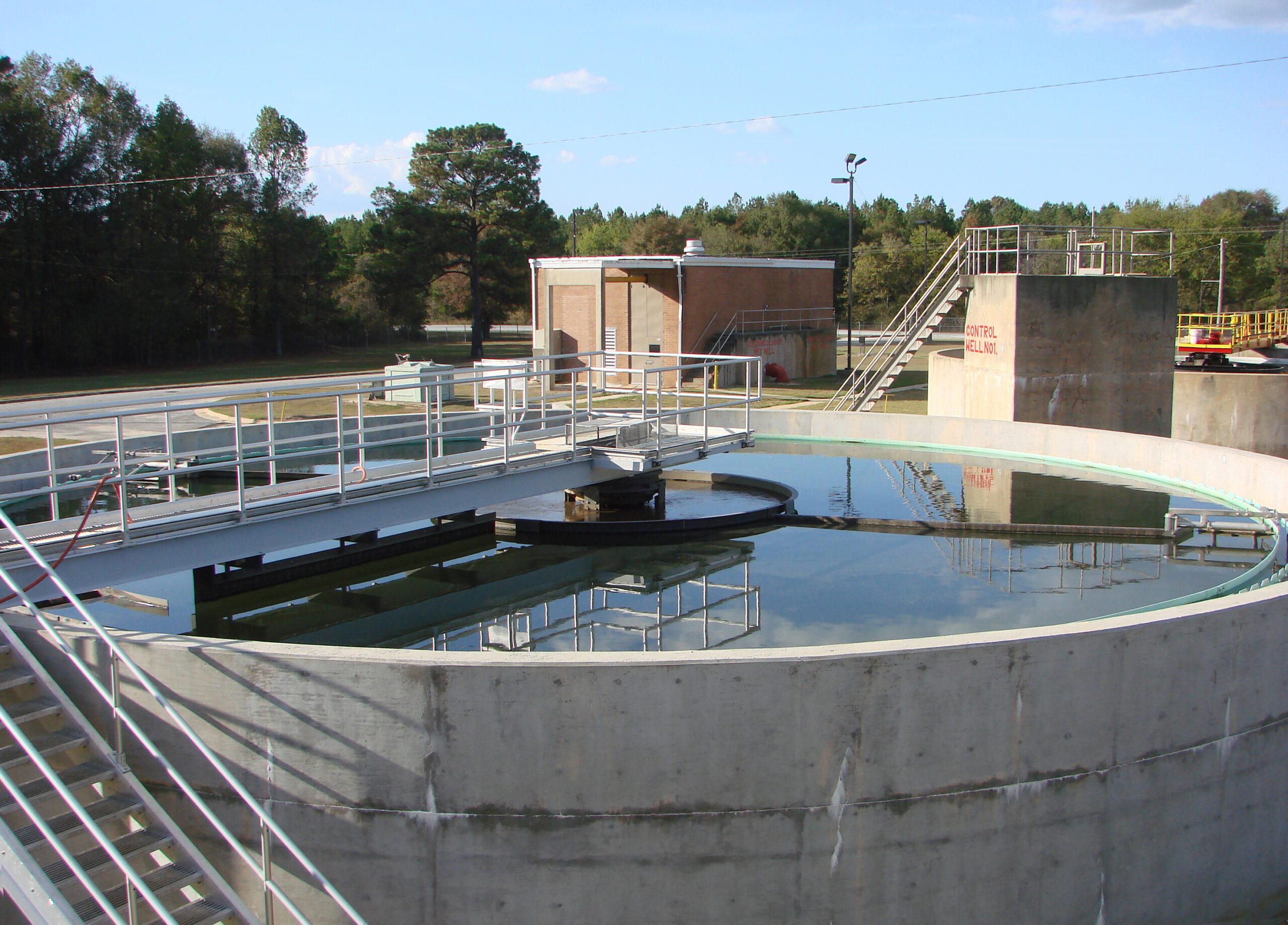
Our team quickly got to work by performing a treatability analysis to determine which chemicals were most effective on CCWA’s raw water, while considering each chemical’s maintenance and operational costs.  With helpful participation from CCWA’s staff, Krebs proceeded with the design of the new facilities.  The design included the reuse and re-purposing of existing facilities. The reuse of facilities included a 1.5 M.G. clearwell. Clearwell improvements included new pipe connections to improve disinfection contact time and the reconditioning of the concrete exterior. The re-purpose of facilities also included the use of the packaged clarifier and filter containers as conventional filters. The filter modifications included removing the clarification systems, new filter gallery piping, valves, and actuators. The new facilities included a pretreatment basin with a rapid mix, flocculation, and high rate sedimentation with plate settlers, two additional conventional filters, chemical storage and feed equipment, 1.5 M.G. cast-in-place clearwell, finished water pump station, solids pump station and handling ponds, standby power generator, plant-wide SCADA system, and an Administration Building.

Krebs has provided construction administration services and maintained a resident field representative for the project since construction began in 2020.  The project is scheduled to be completed in the summer of 2023.